Cameron Prairie National Wildlife Refuge - Gibbstown Unit — photo spot in 1428 LA-27, Bell City, LA 70630, USA


C
Cameron Prairie National Wildlife Refuge - Gibbstown Unit
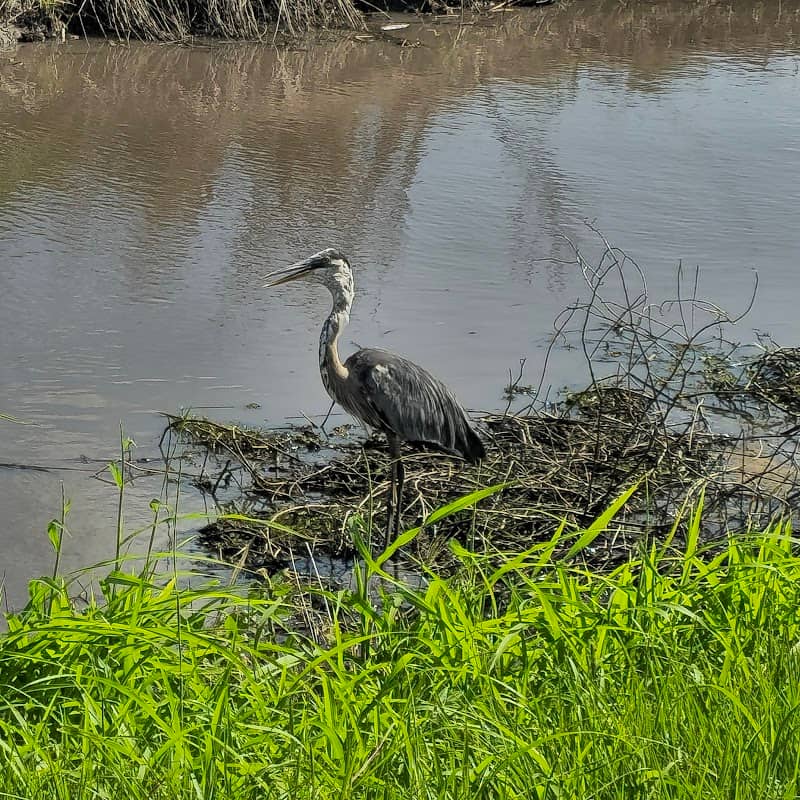
Coastal marshes, ponds and tidal flats at the Gibbstown Unit offer intimate wetland landscapes and abundant migratory and resident birds — herons, egrets, rails and waterfowl. Best visited at sunrise or late afternoon for low-angle light and mirror-like reflections; spring/fall migrations and winter waterfowl are most productive. Refuge lands are typically open daylight hours, small gravel parking areas; bring bug spray, waders or waterproof boots for off-trail access. Quiet, undeveloped scenes,
C
Cameron Prairie National Wildlife Refuge - Gibbstown Unit
Coastal marshes, ponds and tidal flats at the Gibbstown Unit offer intimate wetland landscapes and abundant migratory and resident birds — herons, egrets, rails and waterfowl. Best visited at sunrise or late afternoon for low-angle light and mirror-like reflections; spring/fall migrations and winter waterfowl are most productive. Refuge lands are typically open daylight hours, small gravel parking areas; bring bug spray, waders or waterproof boots for off-trail access. Quiet, undeveloped scenes,